

In our interconnected world, global events often have direct and indirect effects on local communities, including here in Vermont. Understanding these impacts can help us better prepare and adapt to the challenges and opportunities that arise.
Trade Policies and Local Businesses
International trade policies significantly influence Vermont’s economy. For instance, recent global trade tensions have affected local manufacturers and farmers. Senator Peter Welch highlighted concerns from Vermont businesses regarding the adverse effects of tariffs and trade disputes on their operations. Such policies can lead to increased costs for raw materials and reduced access to international markets, posing challenges for our local industries.
Climate Change and Environmental Resilience
Climate change is a global issue with local repercussions. Vermont has experienced more frequent and severe weather events, including flooding and warmer winters. These changes impact agriculture, tourism, and infrastructure. The Vermont Climate Action Plan emphasizes the need for resilience planning and equitable responses to these environmental challenges.
Immigration Policies and Community Response
Global immigration policies and enforcement actions have resonated within Vermont communities. In January 2026, the national “ICE Out” movement led to protests and temporary closures of small businesses across the state, reflecting local solidarity with immigrant communities affected by federal actions.
Engaging with Global Issues Locally
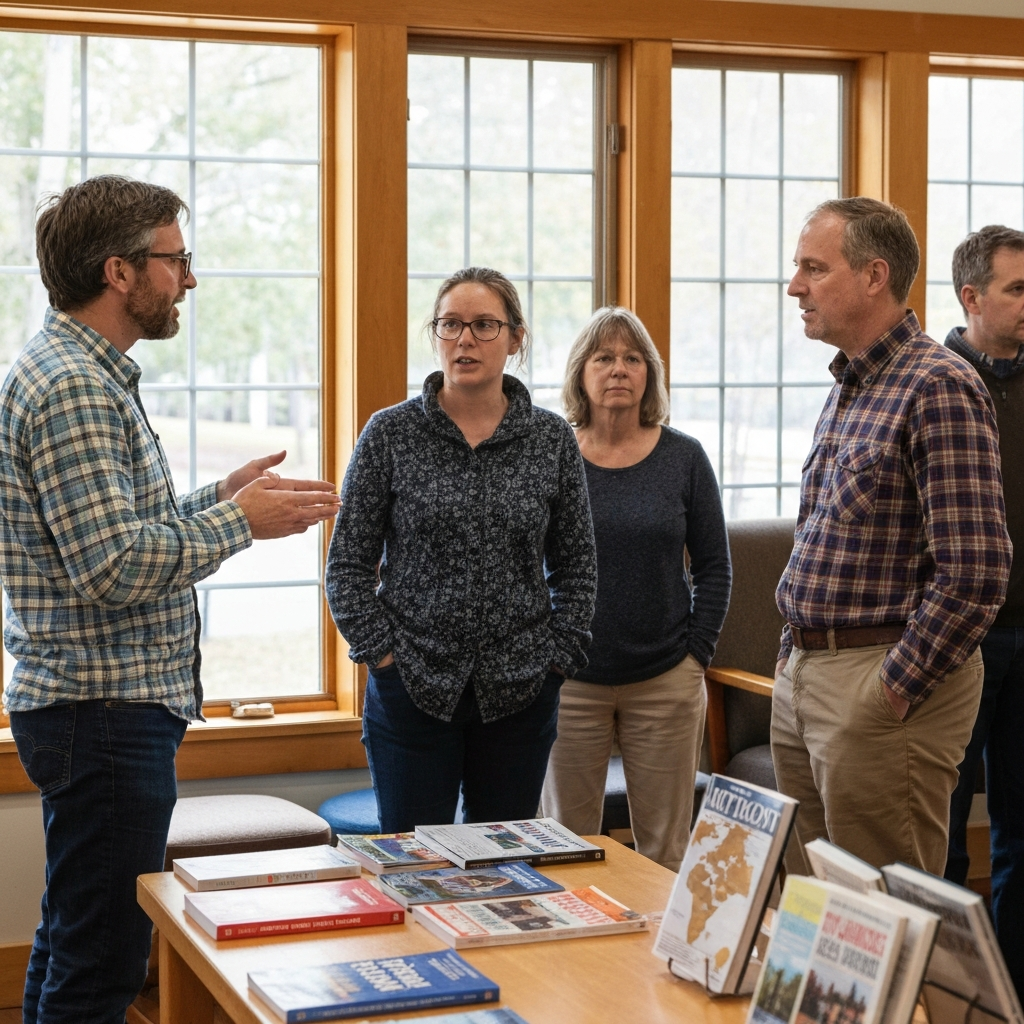
Vermont actively engages with global issues through events and discussions. The Vermont Council on World Affairs hosts an International Speaker Series addressing topics like global trade, technology, and climate change, providing platforms for Vermonters to connect with and understand international developments.
By staying informed and involved, Vermont can navigate the complexities of global events, ensuring that our communities remain resilient and proactive in the face of international challenges.