

By Jacob Gordon
Warming Winters & Extended Growth Periods
Over the past century, average temperatures across Vermont have climbed by roughly 3°F. Winters are warming faster than other seasons—mean winter lows have risen significantly, especially in areas outside the Champlain Valley. These changes are reducing the length and severity of winter, meaning more mild days and fewer frigid nights. As snowpack and frozen ponds take longer to settle in, traditional winter activities are feeling the shift.
Spring Arrives Earlier, Fall Lingers Later
With rising temperatures, both spring’s thaw and fall’s first frost are happening earlier and later, respectively. The freeze-free season–when frost-sensitive plants can safely grow–has been increasing by about 3.7 days per decade. That means gardeners are planting earlier, but also confronting an uncertain transition into cold weather in autumn. These extended shoulder seasons carry both benefits and risks, especially for species and crops tuned to the old routine.
More Rain, More Risk
Precipitation in Vermont has increased by nearly six inches annually since the 1960s, with winter and spring showing the biggest jump. As warming continues, a larger share of what used to fall as snow is turning to rain. This shift affects everywhere from flood-prone streets in Burlington to streamflows and snowpack in the hills. Heavy rainfall events are becoming more frequent, raising concerns about erosion, stormwater management, and local infrastructure.
Impacts on Nature, Agriculture, & Local Life
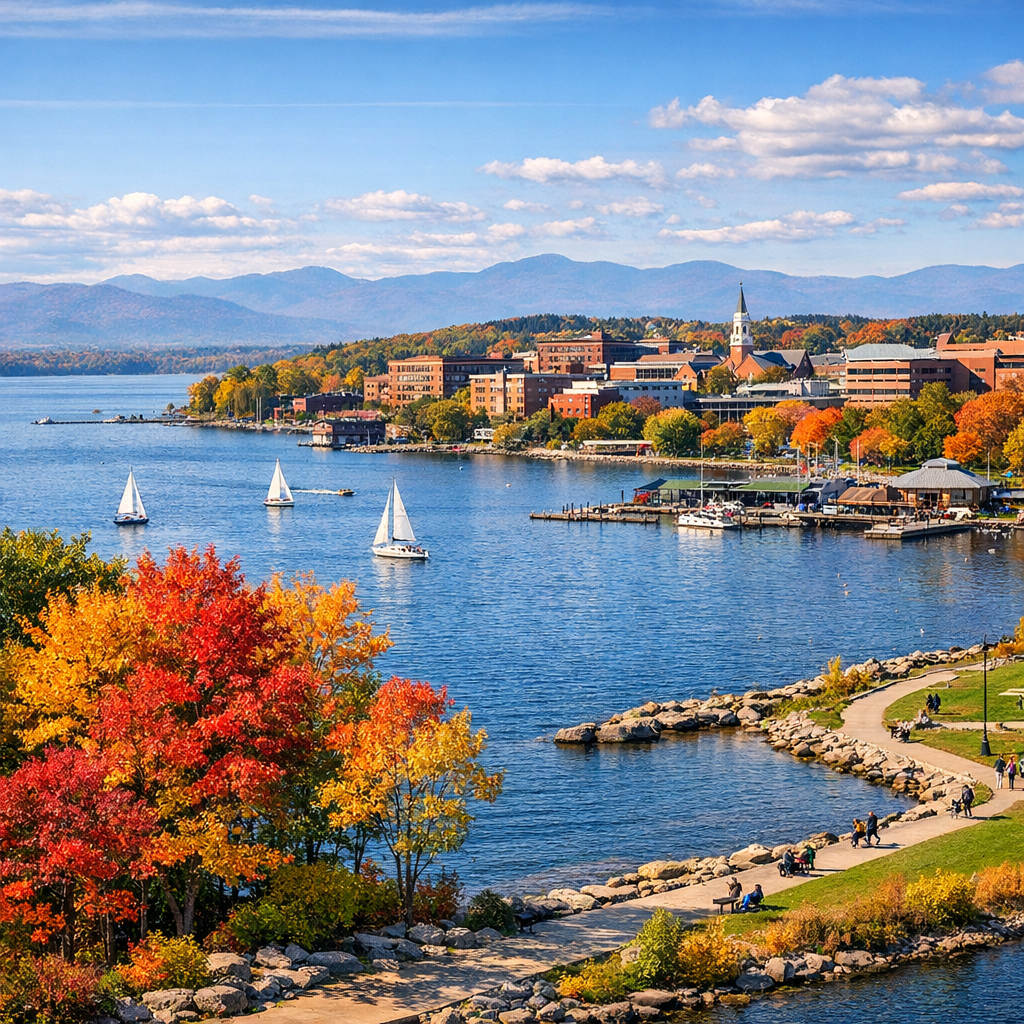
With shifting seasons come changes to wildlife behavior, plant cycles, and livelihoods. Earlier leaf-out followed by unexpected frost can threaten blossoms and early pollinators. The maple sugaring season—deeply tied to local tradition and economy—is especially vulnerable, as sap production depends on freezing nights and warm days in certain patterns. Meanwhile, fall foliage may arrive earlier but be less vibrant if warm nights delay pigment changes or if trees are stressed by irregular weather.
Building Burlington’s Resilience
Burlington is responding with plans like the Climate Resilient Burlington initiative and addenda to the Open Space Plan aimed at nature-based solutions. Efforts include protecting green spaces so they can absorb stormwater, expanding urban tree canopy, and promoting clean energy. Such measures are helping reduce the local footprint and buffer the community against shifting weather and environmental stresses.
What You Can Do Locally
- Plant native species that are adapted to wider temperature swings and irregular precipitation.
- Support green infrastructure—rain gardens, permeable paving, protected wetlands—that helps manage rainwater naturally.
- Be alert for invasive species and pests drawn in by warmer weather, and report sightings.
- Observe and document seasonal cues: when trees leaf out, when first frost hits, how snowpack forms—your experience adds to public understanding.
As Burlington’s weather and environment continue to evolve, we’re all part of the story. Both the changes and the efforts to adapt come through in our backyards, on our trails, and around Lake Champlain. Paying attention as seasons shift helps us be ready, resilient, and rooted in this place we call home.