
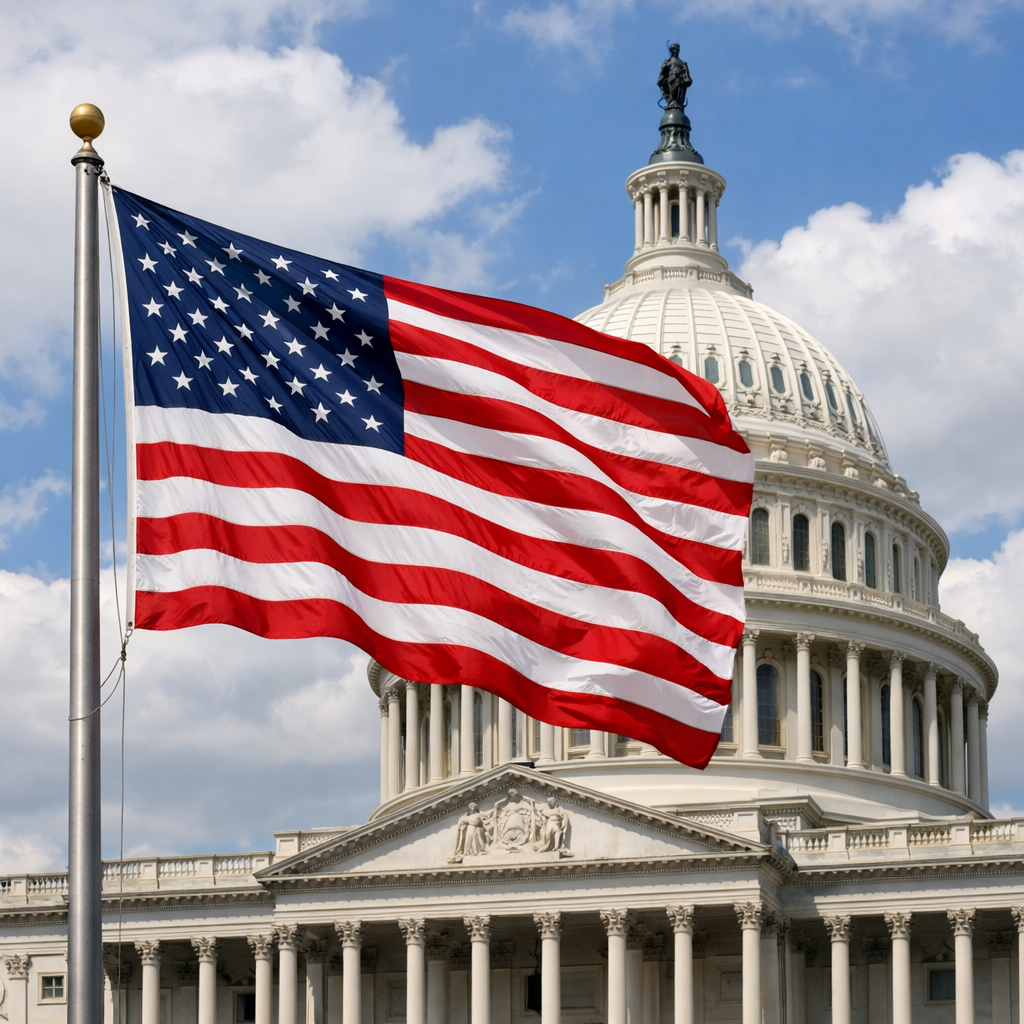
As we navigate the complexities of the current U.S. political and economic landscape, several key developments have emerged that warrant attention.
Political Climate and Public Sentiment
Recent polling data indicates a significant level of public concern regarding the state of the nation’s political system. Approximately one-third of Americans identify politics and government as the most pressing issues facing the country. This sentiment is particularly pronounced among older demographics, while younger individuals tend to focus more on economic challenges such as housing affordability and basic needs.
Economic Outlook
The U.S. economy continues to exhibit resilience, with the International Monetary Fund (IMF) projecting a growth rate of 2.4% in the fourth quarter of this year. Unemployment rates are expected to decline to 4.1%, and inflation is anticipated to align with the Federal Reserve’s 2% target by 2027. However, the IMF has also highlighted potential risks associated with rising federal budget deficits, which could pose challenges to long-term economic stability.
Implications for Vermont
For residents of Burlington and the broader Vermont community, these national trends have tangible local implications. The heightened political anxiety reflects broader concerns about governance and representation, which can influence voter engagement and policy priorities at the state level. Economically, while national growth projections are positive, the cautionary notes regarding federal deficits suggest that local economies should remain vigilant and proactive in addressing potential fiscal challenges.
Staying informed about these developments is crucial for understanding how national policies and economic shifts may impact our local community. Engaging in open dialogues and participating in civic activities can empower us to navigate these complexities effectively.