

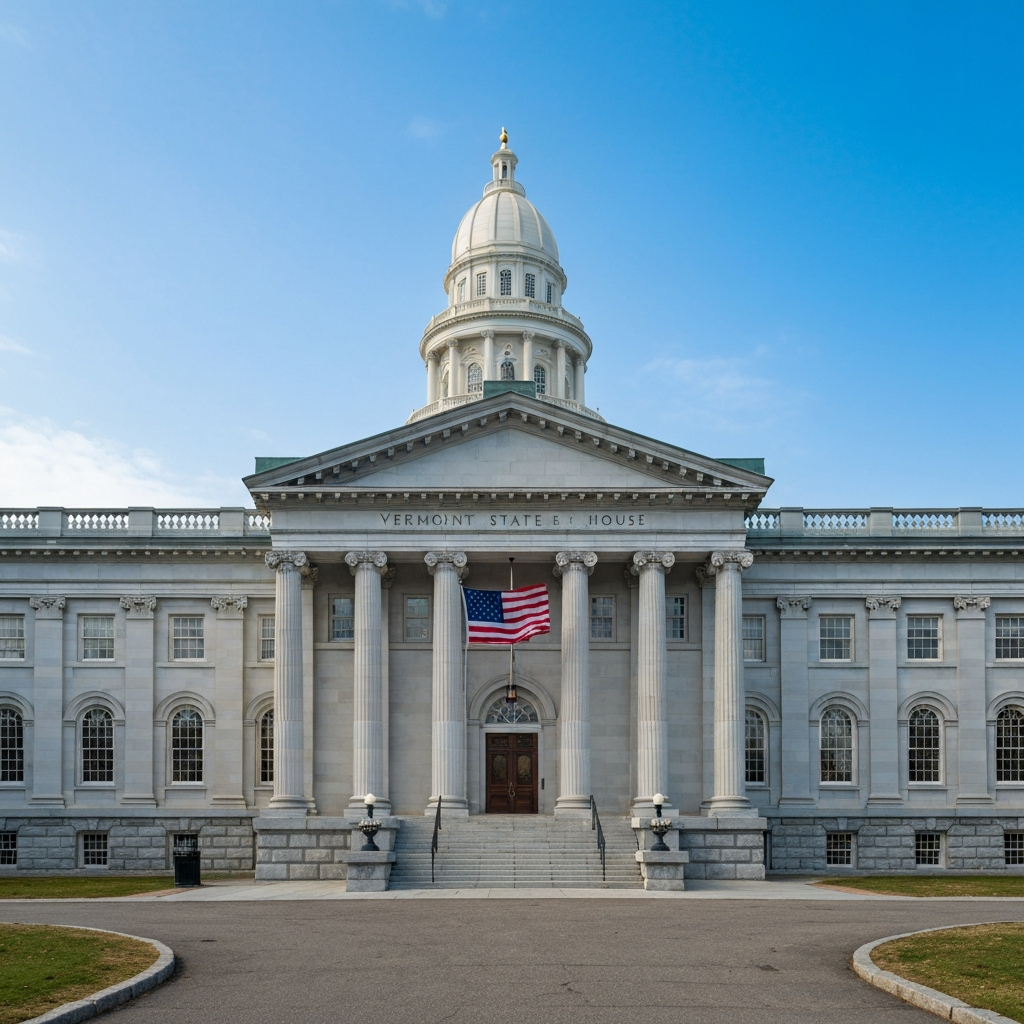
Vermont’s political journey offers a compelling narrative of transformation and influence within the broader American political landscape. Historically, Vermont was a bastion of Republicanism, consistently supporting Republican presidential candidates from the mid-19th century until the late 20th century. This trend shifted in 1992 when Vermont voted Democratic, a pattern that has continued in subsequent elections.
Despite this Democratic lean in federal elections, Vermont’s state politics exhibit a distinctive character. The current governor, Phil Scott, is a Republican who has secured multiple terms with significant margins. His governance style, marked by fiscal conservatism and social moderation, resonates with many Vermonters, reflecting the state’s preference for pragmatic leadership over strict party ideology.
Vermont’s political uniqueness extends to its representation in Congress. Senator Bernie Sanders, an independent who caucuses with the Democrats, has been a prominent figure advocating for progressive policies on a national scale. His tenure underscores Vermont’s role in shaping national political discourse.
Economically, Vermont contributes to the national fabric through its specialized industries. The state’s gross domestic product (GDP) was $36.4 billion in 2024, with key sectors including agriculture, tourism, and technology. Notably, Vermont is the leading producer of maple syrup in the United States, and its burgeoning tech industry, particularly in software development and clean energy, adds to its economic diversity.
Trade also plays a vital role in Vermont’s economy. In 2024, the state exported $1.9 billion in goods, with significant exports in computer and electronic products. These exports support thousands of jobs and highlight Vermont’s integration into the global economy.
Understanding Vermont’s political and economic landscape provides insight into how a small state can exert considerable influence on national affairs. Its blend of historical traditions and contemporary shifts offers a microcosm of the evolving American political and economic scene.